
The Butterfly: Symbol Of Love By Eric Buechel

"These Enchanting Creatures"
Story & Art By Eric Buechel
Digiograph Print
40" x 40"
2025
Butterflies in Ancient Greece
In the sun-drenched hills of ancient Greece, where olive trees swayed gently in the warm, fragrant breeze and the vibrant colors of wildflowers painted the landscape in a dazzling array of hues, butterflies fluttered gracefully among the blossoms, adding a touch of ethereal beauty to the already picturesque scenery. These delicate creatures, adorned with intricate patterns that seemed to tell stories of their own, showcased vibrant hues that ranged from deep indigo to radiant gold, captivating the hearts and minds of the ancient Greeks. The Greeks, known for their profound appreciation of nature and its wonders, viewed butterflies not merely as insects, but as powerful symbols of beauty, grace, and transformation. The presence of butterflies in the lush meadows and blooming gardens of Greece was often associated with the fleeting nature of life and the cycle of rebirth. In Greek mythology, the butterfly was linked to the soul, representing the journey from the earthly realm to the divine, embodying the idea that life is a series of transformations, much like the metamorphosis of a caterpillar into a butterfly. Philosophers and poets of the time often drew inspiration from these enchanting creatures, weaving them into their works as metaphors for change, renewal, and the ephemeral nature of existence. As the sun cast its golden rays upon the hills, the sight of butterflies dancing among the flowers became a source of joy and inspiration for artists and sculptors. They would often depict these fluttering beings in their art, capturing the essence of their beauty in vibrant frescoes and intricate pottery. The butterflies, with their delicate wings, served as reminders of the fleeting moments of joy and beauty that life has to offer, encouraging the ancient Greeks to embrace the present and celebrate the wonders of the natural world around them. In addition to their aesthetic value, butterflies also played a role in the ecological balance of the ancient Greek landscape. As they flitted from flower to flower, they contributed to the process of pollination, ensuring the continuation of the vibrant flora that thrived in the hills. This vital role further solidified their status as symbols of life and continuity, intertwining their existence with the very essence of the environment that surrounded the ancient Greeks. Thus, in the sunlit hills of ancient Greece, butterflies were not just beautiful insects, but profound symbols interwoven with the culture, philosophy, and ecology of the time, reminding all who beheld them of the delicate balance of life, beauty, and transformation.

The Symbol of the Soul
In this ancient world, butterflies held a profound significance and were often intricately associated with the concept of the soul. The Greeks, in particular, embraced this symbolism, believing that the soul, or "psyche," could be effectively represented by the delicate and ethereal butterfly. The transformation of the butterfly from a humble caterpillar into a magnificent winged creature was seen not merely as a biological process but rather as a powerful metaphor for the human experience itself. This metamorphosis encapsulated the essence of personal growth and evolution, symbolizing the journey that each individual undergoes from the mundane aspects of life, through the trials and tribulations of existence, to the eventual confrontation with death and the hopeful prospect of rebirth.
This rich symbolism extended beyond mere representation; it resonated deeply within the philosophical inquiries of the time. Thinkers such as Plato engaged in profound contemplation regarding the nature of the soul and its connection to the cosmos. In his dialogues, he frequently referenced the butterfly as a metaphor for the soul's ascent towards the divine. He illustrated the notion that, much like the butterfly that emerges from its chrysalis, the soul has the potential to transcend the confines of the physical realm. This ascent was not merely a transformation but a journey towards enlightenment, where the soul sheds its earthly attachments and strives for higher knowledge and understanding.
Plato's reflections on the soul were not isolated to mere allegory; they were intertwined with broader philosophical discussions about existence, morality, and the pursuit of truth. The butterfly became a powerful symbol within these dialogues, representing the innate desire of the soul to seek out wisdom and achieve a state of higher consciousness. The imagery of the butterfly fluttering gracefully in the air served as a reminder of the beauty and fragility of life, as well as the potential for rejuvenation and transformation that exists within every individual.
Moreover, this association between butterflies and the soul permeated various aspects of Greek culture, influencing art, literature, and spiritual practices. Artists often depicted butterflies in their works, using them to convey themes of change, beauty, and the ephemeral nature of life. Poets drew upon the imagery of butterflies to express the fleeting moments of joy and sorrow that characterize the human experience. In religious contexts, butterflies were sometimes seen as messengers of the divine, embodying the connection between the earthly realm and the spiritual world.
As such, the butterfly emerged as a multifaceted symbol, encapsulating the complexities of life, death, and the promise of renewal. The ancient Greeks, through their reverence for this delicate creature, recognized the profound depth of the human soul and its capacity for transformation, ultimately embracing the butterfly as an emblem of hope and the eternal quest for enlightenment. Thus, the butterfly's journey from caterpillar to winged beauty served not only as a natural phenomenon but also as a timeless metaphor for the soul's journey through existence, illuminating the path toward understanding and transcendence.
Butterflies in Mythology
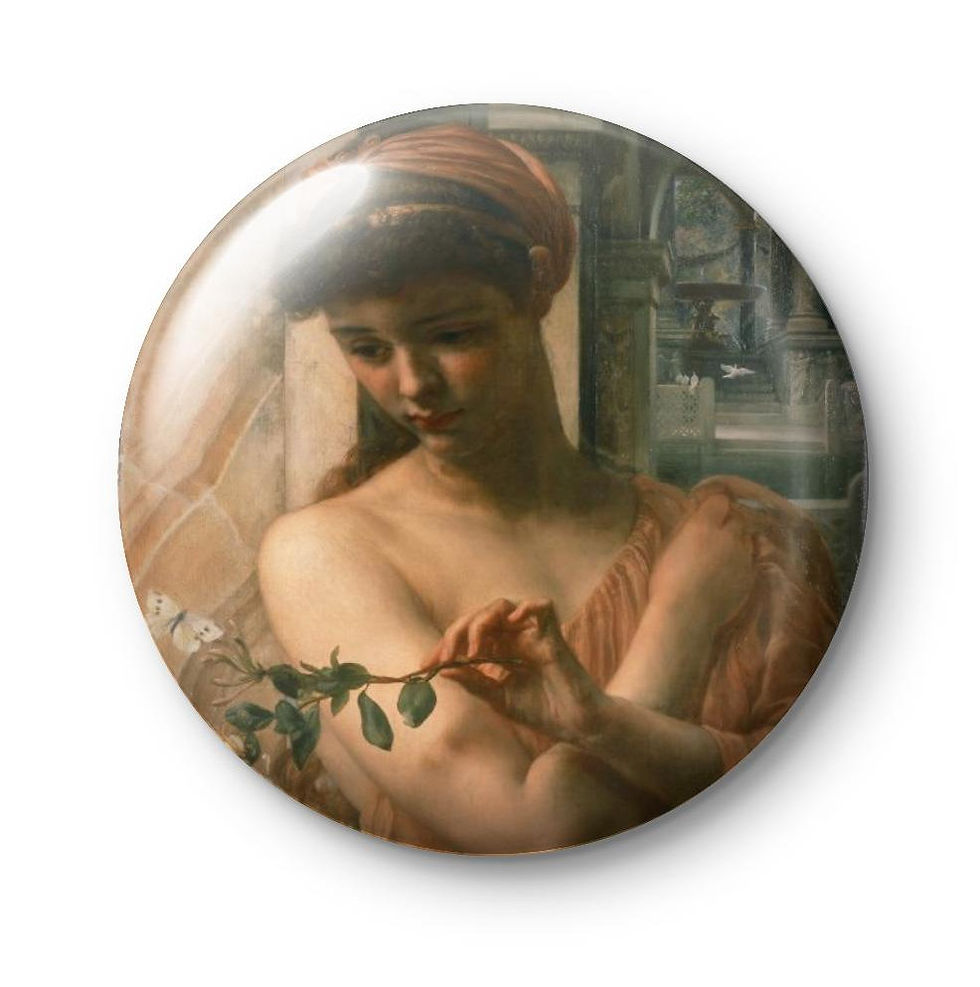
The Greeks intricately wove butterflies into the rich tapestry of their mythology, imbuing these delicate creatures with profound symbolic meaning. Among the myriad of enchanting tales, one of the most beloved is that of Psyche, a mortal woman whose extraordinary beauty was said to rival even that of Aphrodite, the revered goddess of love and beauty. The story unfolds with Aphrodite, feeling threatened by Psyche's allure and the admiration she garnered from many suitors, including the gods themselves. Consumed by jealousy, Aphrodite devised a cunning plan; she commanded her son Eros, the god of love, to intervene. Eros was instructed to shoot Psyche with one of his love-inducing arrows, ensuring that she would fall hopelessly in love with a hideous creature, thereby diminishing her beauty and allure in the eyes of the world. However, the tale took an unexpected turn as Eros, upon laying eyes on Psyche, found himself utterly captivated by her beauty and grace. Instead of fulfilling his mother's wishes, he fell deeply in love with Psyche, leading to a secret and passionate romance that flourished in the shadows. Their love, however, was fraught with challenges, as Psyche remained unaware of Eros's true identity, and their relationship was shrouded in mystery. Psyche's journey to reunite with Eros was not without its trials and tribulations. After a series of misunderstandings and the intervention of Aphrodite, who sought to punish Psyche for her perceived transgressions, Psyche was forced to embark on a daunting quest. One of her most harrowing challenges was a descent into the underworld, where she had to confront the queen of the dead, Persephone. This journey symbolized not only the depths of despair but also the resilience of the human spirit in the face of insurmountable odds. Throughout her trials, Psyche demonstrated remarkable courage and determination, enduring each challenge with grace and strength. Her unwavering love for Eros and her willingness to face the darkest corners of existence ultimately led to her redemption. After successfully completing her arduous tasks and proving her worthiness, Psyche was finally granted immortality by the gods. This divine gift allowed her to transcend her mortal existence, and in a beautiful transformation, her soul was metamorphosed into a butterfly. This transformation is rich in symbolism, representing not only the beauty of the soul's journey but also the idea of eternal love that transcends the boundaries of life and death. The butterfly, often seen as a symbol of rebirth and renewal, became a poignant reminder of Psyche's trials and the profound love she shared with Eros, a love that overcame jealousy, adversity, and even the depths of the underworld itself.
Butterflies as Omens
In addition to their rich symbolic meanings, butterflies were also perceived as powerful omens and revered messengers from the gods across various cultures. The ancient Greeks, for instance, held a profound belief that the appearance of a butterfly could signify not only good fortune but also serve as a poignant message from a loved one who had departed this world. This connection to the afterlife imbued butterflies with a sense of spiritual significance, leading individuals to interpret their presence as a comforting sign of divine favor or guidance from beyond. The Greeks often associated butterflies with the soul, a concept deeply rooted in their mythology. The Greek word for butterfly, "psychē," is also the term used for the soul, highlighting the belief that these delicate creatures represented the transformation and journey of the soul. In this context, the fluttering of a butterfly was seen as a symbol of the soul's liberation from the physical body, a transition into a new realm of existence. Moreover, butterflies were frequently depicted in ancient art and literature, symbolizing not only the ephemeral beauty of life but also the hope and renewal that comes with change. Their lifecycle, which involves a remarkable metamorphosis from caterpillar to chrysalis and finally to a stunning winged form, served as a powerful metaphor for personal transformation and rebirth. This transformative journey resonated deeply with the Greeks, who viewed the butterfly as a reminder of the transient nature of life and the possibility of spiritual awakening. In addition to their spiritual connotations, butterflies were also seen as harbingers of change and new beginnings. The Greeks believed that encountering a butterfly could herald the arrival of positive changes in one's life, whether it be in matters of love, fortune, or personal growth. This belief extended beyond Greece, as many cultures around the world have similarly regarded butterflies as symbols of hope, renewal, and the interconnectedness of life and death. In summary, the ancient Greeks, along with many other civilizations, revered butterflies not just for their beauty but for their profound symbolic meanings and the messages they were thought to carry from the divine. Their presence was interpreted as a significant sign, a reminder of the spiritual realm, and an emblem of transformation, making them cherished symbols throughout history.
Art and Culture
The beauty of butterflies has captivated the imagination of countless artists and poets throughout history, inspiring a rich tapestry of artistic expression and literary exploration. These delicate creatures, with their vibrant colors and intricate patterns, have been immortalized in various forms of art, including frescoes, pottery, and sculptures, each medium offering a unique perspective on their ethereal grace. The allure of butterflies lies not only in their physical beauty but also in the symbolism they carry, representing transformation, freedom, and the ephemeral nature of existence.
In ancient times, artists sought to capture the fleeting moment of a butterfly's flight, often portraying them in dynamic poses that evoke a sense of movement. Frescoes adorned the walls of grand villas, showcasing butterflies amidst lush landscapes, while pottery featured intricate designs that highlighted their delicate wings. Sculptors carved lifelike representations, paying homage to the fragility and elegance of these insects, which seemed to embody the very essence of beauty itself.
Poets from various eras, including the renowned Sappho and Pindar, found inspiration in the delicate nature of butterflies, weaving them into their verses as powerful metaphors. Sappho, known for her poignant and personal poetry, often used the imagery of butterflies to express themes of love and longing. The fleeting beauty of a butterfly mirrored the transient nature of romantic relationships, capturing the essence of desire that is both beautiful and ephemeral. Similarly, Pindar, celebrated for his odes, drew upon the butterfly's symbolism to reflect on life's fleeting moments, emphasizing the importance of cherishing beauty while it lasts.
The use of butterflies in poetry extended beyond mere aesthetics; they served as a reminder of the inevitable passage of time and the importance of embracing the present. The metaphor of a butterfly flitting from flower to flower resonated deeply with audiences, encapsulating the idea that life, much like the delicate flight of a butterfly, is both beautiful and transient. This theme of transience is a central aspect of many literary works, where the butterfly becomes a symbol of the ephemeral joys of life, urging readers to appreciate the moments that bring them happiness.
In summary, the beauty of butterflies has inspired a diverse array of artistic and literary expressions, with their grace and symbolism resonating through the ages. Artists have captured their elegance in various forms, while poets have used their imagery to explore profound themes of love, longing, and the fleeting nature of existence. The butterfly, in all its delicate splendor, remains a timeless muse, inviting us to reflect on the beauty that surrounds us and the impermanence of life itself.
Conclusion
As the sun set over the rolling hills of ancient Greece, casting a warm golden hue across the sprawling landscape, the scene transformed into a breathtaking spectacle. The sky, painted in shades of orange and pink, provided a stunning backdrop for the delicate butterflies that flitted gracefully through the twilight air. These ethereal beings, with their vibrant wings adorned in intricate patterns, danced among the wildflowers, embodying not only the spirit of transformation but also the profound beauty of existence itself.
To the ancient Greeks, butterflies were far more than mere insects fluttering about; they held a significant place in the cultural and spiritual tapestry of their society. These enchanting creatures were regarded as powerful symbols of the soul's journey, representing the metamorphosis from one state of being to another. The Greeks believed that the life cycle of a butterfly mirrored the human experience, with its stages of transformation echoing the transitions that individuals undergo throughout their lives. From the caterpillar, which signifies the beginnings of existence and the potential for growth, to the chrysalis, representing introspection and change, and finally to the butterfly, which embodies freedom and beauty, this cycle resonated deeply with the philosophical and existential reflections of the time.
In addition to their symbolic connection to the soul, butterflies were also viewed as messengers of the divine. The Greeks often associated these creatures with various deities, believing that their presence could signify the arrival of important news or the guidance of the gods. The fluttering of a butterfly was thought to be a gentle nudge from the divine realm, reminding individuals to pay attention to the signs and messages that life presents. This belief imbued butterflies with a sense of sacredness, as they were seen as intermediaries between the mortal world and the divine.
Moreover, the ephemeral nature of butterflies served as a poignant reminder of the fleeting aspects of life and love. Their brief existence, often lasting only a few weeks, highlighted the importance of cherishing each moment and appreciating the beauty that surrounds us, even if it is temporary. This understanding was reflected in the philosophies of ancient Greek thinkers, who often contemplated the nature of existence, beauty, and the inevitable passage of time. The butterflies, with their graceful movements and vibrant colors, became a metaphor for the transient yet beautiful moments that define the human experience.
The legacy of butterflies continues to flutter through the pages of history, transcending time and culture. Their significance in ancient Greece has influenced various artistic expressions, from pottery and sculpture to poetry and literature. Artists and poets have long drawn inspiration from the delicate beauty of butterflies, capturing their essence in works that explore themes of transformation, love, and the search for understanding. The imagery of butterflies remains a powerful symbol in contemporary society, reminding us of the delicate balance between beauty and transformation, and the eternal quest for meaning in our lives.
In conclusion, as the sun dipped below the horizon, enveloping the hills of ancient Greece in a dusky embrace, the butterflies danced on, embodying the timeless spirit of transformation and the exquisite beauty of existence. Their presence serves as a lasting testament to the intricate connections between life, love, and the divine, echoing through the ages and inviting us to reflect on our own journeys of metamorphosis and understanding. EB

The Beauty of The Butterfly
By Eric Buechel
In gardens where the wildflowers sway, A butterfly dances, in bright array. With wings of velvet, in colors so bold, A story of love, in whispers untold. She flutters on breezes, so gentle and light, A symbol of love, in the soft morning light. Each delicate movement, a graceful ballet, In the heart of a lover, she finds her way. Her journey begins with a tender embrace, A metamorphosis, a beautiful chase. From cocoon to freedom, she learns to take flight, In the warmth of affection, she glimmers so bright. As lovers entwine, like the vines on the wall, Their hearts beat in rhythm, they answer the call. With each fleeting moment, they cherish the day, Like the beauty of butterflies, love finds its way. So let us remember, as seasons unfold, That love is a treasure, more precious than gold. In the gardens of life, let our spirits take wing, For the beauty of love is the joy that it brings.

Eric Buechel Fine Art
P. O. Box 277
Pleasant Hill, Tennessee 38578
931-881-7806


Comments